
How to Love Herring in Sweden
How To
10.09.08 | 10:50 AM ET
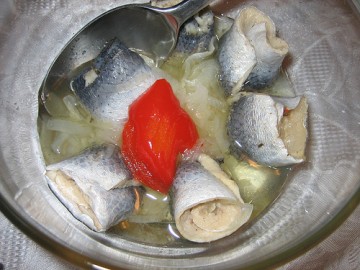 The Situation: You’ve just landed in the Swedish capital of Stockholm, hungry and eager to indulge in some traditional Scandinavian fare. You wander into a buffet-style restaurant and stare at a smörgåsbord that looks disconcertingly similar to the raw seafood section at your local grocery store. Mounds of glistening herring prepared in every imaginable fashion stare back. Where to begin? You need a herring primer.
The basics: Before writing them off as oily anchovies, know that herring are an integral part of Nordic culture and cuisine. They’re known as sill in Swedish. Chances are you’ll be eating either Atlantic or Baltic herring in Sweden.
Atlantic herring, commonly referred to as North Sea herring, are mostly found in the northern part of the Atlantic Ocean. Baltic herring, hailing from the brackish waters of the Baltic Sea, are the smaller, leaner, less salty cousins of North Sea herring.
Relegating herring to a side dish is nothing short of heresy, and as such, it is often eaten as the main course in Swedish homes.
How it comes: Pickled, smoked, salted, fried, broiled, marinated, sautéed or baked are the primary ways to prepare this delectable fish. Herring are suited for just about any cooking technique you can imagine, and mustard herring, onion herring, dill herring, herring in wine sauce, herring with beets and blackcurrant herring are a few of the tastier varieties you may find in your smörgåsbord.
The fish also make regular appearances in much-loved casseroles called strömmingslådor. All you need to make a classic strömmingslådor are rolled up herring filets topped with an artery-clogging amount of butter, dill, a myriad of light spices, onions and stewed tomatoes.
The mother of all herring: Popular in Northern Sweden and Swedish Lapland is surströmming—fermented Baltic herring. Usually sold in pressurized tin cans, it smells like vinegary flatulence—it’s putrid. Due to its overpowering odor, surströmming is traditionally done outdoors, usually during the month of August.
Making surströmming requires storing salted herring in barrels for about two months, then transferring them into tin cans to continue their process of decay. Six months to a year later, the tin cans (now bulging and rounded from the pressure of fermentation) are shipped to stores.
Before you think of bringing a can of surströmming home as a souvenir, know they have been banned on a few major airlines.
A museum? Surströmming is so integral to Swedish tradition that dedicating thousands of square feet to highlighting this oily aquatic vertebrate seemed logical to locals. Open on Saturdays in the small fishing village of Skeppsmaln, the museum offers visitors surströmming history and preparation techniques, and even lets them take a whiff of the fish from a sniffing box.
Other herring museums dot the Swedish landscape, including Sillebua, located on the island of Klädesholmen.
Essential sidekicks: Eating herring is simple: Spear the little fish with a fork and lift it to your mouth. Once ready to eat, herrings are so flavorful that the only occasional additions are onions, boiled almond-shaped yellow potatoes called mandelpotatis and thin bread known as tunnbröd.
Similar to sour cream, gräddfil—fatty fermented milk—can also be added as a topping.
Washing it down: Nothing beats cold milk for washing down herring. If you dislike milk, any mild-tasting beverage to counteract the salty, strong taste of herring will suffice. Some Swedes have been known to down herring with beer and a variation of vodka called akvavit—a 40 percent distilled alcoholic beverage made from potatoes or grain.
Disclaimer: Herring, especially the Baltic kind, has gotten a lot of bad press in recent years. Because the Baltic Sea is the world’s most polluted sea, large amounts of chemicals were found in Baltic herring in the 1990s. Before you worry about developing possible DNA mutations from eating herring, European Union (EU) policies still permit the export of Baltic herring that meet certain criteria as long as customers are adequately warned of any potential side effects.
Still scared? The EU recommends you vary the fish you eat, reducing the amount of large Baltic fish in your weekly diet. So, simply enjoy Baltic herring in smaller portions. Ever wonder where Swedes get their youthful glow? Eating fish supplies essential proteins, vitamins and fatty acids that help keep skin healthy.
Now, dig into that brined aquatic goodness, and rest assured that you are partaking in centuries-old authentic Swedish fare.
Photo by berzowska via Flickr (Creative Commons).