
Los Angeles: Three Great Books
Travel Blog • Jim Benning • 03.11.06 | 5:24 PM ET
This week we introduce a new weblog feature, Three Great Books, which highlights a few must-reads for a particular city or region or country. We’re talking about books worth picking up before a trip to that particular place, or to read purely for pleasure. These could be travel narratives, but also memoirs, novels, histories, perhaps even a book of poetry from time to time—anything that evokes a place or speaks to its essence. We begin with Los Angeles. The city might be best known as a movie town, but Los Angeles is far more than that. It has a proud literary history that includes the likes of Charles Bukowski
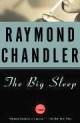 The Big Sleep
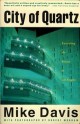 City of Quartz: Excavating the Future in Los Angeles
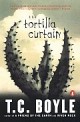 The Tortilla Curtain
Passages like this one, about the couple from Mexico living in the canyon, evoke a very different kind of life in Los Angeles:
They’d been living in the canyon three weeks now—there was no way he would expose her to life on the streets, to downtown L.A. or even Van Nuys—and though they didn’t have a roof over their heads and nothing was settled, he’d felt happy for the first time since they’d left home. The water was still flowing, the sand was clean and the sky overhead was all his, and there was nobody to dispute him for it. He remembered his first trip North, hotbedding in a two-room apartment in Echo Park with thirty-two other men, sleeping in shifts and lining up on the streetcorner for work, the reek of the place, the roaches and the nits. Down here was different. Down here they were safe from all the filth and sickness of the streets, from la chota—the police—and the Immigration.
Do you have any favorite Los Angeles books?