
Secret Shanghai: Old Streets and Etched Faces Tell the Tale
Travel Blog • Julia Ross • 06.12.07 | 12:00 PM ET
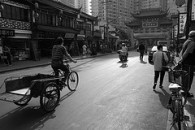 Shanghai’s Fangbang Road is one of those places where time stands still. A stroll down the winding, dusty lane is a window into Chinese urban life untouched by modern artifice: Leathery-faced farmers sell produce from bicycle carts and spouses bicker in the street, much as they probably did 50 years ago. I stumbled onto Fangbang one Saturday afternoon when I lived in Shanghai in 2002 and was immediately seduced by its gritty chaos. It seemed almost like something from a movie set, and I eventually came to think of it as my own secret corner of the city, unknown to tourists and overlooked by developers. Now I know the secret’s out.
In a striking slide show and essay, New York Times writer Howard W. French documents life in Shanghai’s dwindling old quarters—including Fangbang Road—where life goes on as it has for decades but uncertainty about the future looms.
“Old people are everywhere, and they form an undeniable part of the character of these places, with etched faces that speak of all the unspeakable travails of China’s modern history,” he writes. “With the areas I have focused on—all fast coming under the assault of bulldozers—the gazes of the elderly often seem to convey their deep sense of uncertainty, anxiety even, as the tightly knit neighborhoods where they have spent their lives are plowed under and they are moved to unfamiliar settings on the outskirts of town for the difficult climb of making a new life.”
For now, he notes, Shanghai’s back streets are “a slice of that increasingly rare thing in China, indeed anywhere—the authentic.”
Related on World Hum:
* Peter Hessler on His Chinese Hutong
* ‘All Things Considered’ on the Future of Shanghai
* ‘Confucius Craze’ Sweeps China
.