
Should Eco-Tourists Really Eat the Chilean Sea Bass?
Travel Blog • Joanna Kakissis • 02.06.09 | 11:25 AM ET
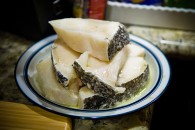 Photo by
 I love to eat fish. Stewed, grilled, broiled and curried, as ceviche or in sushi—wherever I travel, I seek out the restaurants that know how to pick it fresh and prepare it well. Or used to, anyway. After recently hearing about a book, “An Unnatural History of the Sea,” and realizing that humans have essentially overfished many species to the brink of collapse, I’ve decided to use the Blue Ocean Institute’s FishPhone when I want to order seafood at a restaurant or buy it at a grocery store. For instance: I want to order snapper, a favorite, but I have no idea if it’s one of the species that’s at risk. I text the FishPhone (FISH SNAPPER) send to 30644 and within seconds, this ominous note returns: “Snapper (RED) significant environmental concerns; fisheries management is poor and populations are declining.” Eek.
The institute’s online guide is a grim list of fish ruined by habitat-destroying trawlers (i.e. orange roughy) and illegal and unregulated fishing (i.e., the ever-popular Chilean Sea Bass). The once-abundant Atlantic cod, for example, hasn’t recovered from decades of massive overfishing even after very heavy management by fisheries. There are examples of sustainable populations such as farm-raised tilapia and wild-caught Alaska salmon.
If you truly want to be an environmentally responsible tourist, staying at a sustainable resort that recycles or uses solar panels or doesn’t raze the surrounding ecosystem is really only part of the equation. Food choices also matter very much. Locally grown produce doesn’t need to be transported great distances (i.e. less carbon emissions), and selecting seafood that’s more abundant and better-managed can really make a difference in ocean life.
Tilapia, by the way, makes for a mean Aegean fisherman’s chowder.