
The Critics: ‘Rambo’ and the Plight of the Burmese People
Travel Blog • Eva Holland • 01.28.08 | 10:30 AM ET
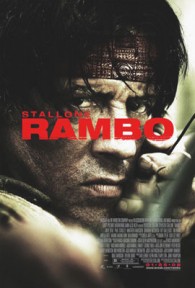 A few months back I wrote about Sylvester Stallone’s latest addition to the “Rambo” series. Sly had wrapped up filming on the Thai-Burmese border right around the time that the military junta began cracking down on protesting monks, and he told the media that he wanted his new flick to help expose the cruelty of the ruling generals. “It would be a whitewashing not to show what’s over there,” he said at the time. “I think there is a story that needs to be told.”
“Rambo” was released this past weekend, and I was curious to see how Stallone’s “message” came through. The verdict? For David Germain of the Associated Press, the movie is “sickening, almost degenerate, in its savagery,” while the CBC’s Martin Morrow describes it as “an ugly, thuddingly brutal movie that wallows in military atrocities even as it pretends to condemn them.”
The storyline features a group of naïve missionaries headed into Burma to help the Karen people, a persecuted Christian minority. They ask Rambo, who’s been passing time since the last installment forging iron in the jungles of Thailand, for his help. Writes Lisa Schwarzbaum for Entertainment Weekly: “It’s a given that Rambo will initially say no, followed by grrr. Also a given is the capture of the hapless missionaries, the arrival of a search party of colorful mercenaries, and Rambo’s mournful decision to blow all of Burma to hell to rescue the hopeless lot of them—mercenaries and missionaries alike. Baby-stabbing, decapitation, gang rape, and rivers of blood: Rambo is up to its boot tops in numbing violence.”
But, in the kindest review I was able to find, Schwarzbaum also finds some redemption in the carnage. “The brutality, tough enough to take, would be intolerable if Stallone didn’t toss the movie like a cant-clearing grenade at notions of stay-the-course righteousness,” she writes. “Rambo teaches that fighting sucks, good intentions can be futile, and coalitions of the willing are a charade: A man’s got to do what a man’s got to do. Sometimes that means tying on the old bandanna to hack one’s way out of the Hollywood jungle so disorienting to aging action stars.”
Over at Slate, Dana Stevens isn’t so sure. “The problem is that the moral meaning of the gore keeps changing,” Stevens writes. “The airborne organs of a helpless Karen villager are supposed to make us scream, ‘Rambo, right this injustice!’ while the splattered guts of a Burmese army officer are meant to evoke a reaction along the lines of, ‘Aw yeah.’ But no matter how realistically rendered and lovingly framed in slow-mo, guts are just guts, and they tend to engender the same reaction: an ethically neutral ‘ew.’ If you like seeing people blown in half, beheaded, and impaled, have a ball… If you don’t, the horror of these images is hardly going to leave you pondering the plight of the Karen in Myanmar.”
Related on World Hum:
* Rambo in Burma: ‘This is a Hellhole Beyond Your Wildest Dreams’
* The State of the Burma Travel Debate