
Tiananmen Square, 18 Years After the Massacre*
Travel Blog • Jim Benning • 06.04.07 | 5:35 PM ET
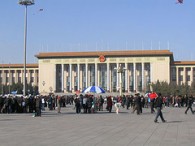 Photo by
 When I walked up a stairway into Tiananmen Square during a trip to China several years ago, the first thing to pop into my mind was the massacre. Tiananmen, of course, is synonymous with the government crackdown that left hundreds of demonstrators—or possibly more; facts are in dispute—dead 18 years ago today. But visiting Tiananmen is different from visiting other sites known for atrocities. Unlike Dachau or the Killing Fields, which have memorials marking the events, there’s no monument or public acknowledgment in Tiananmen that the massacre even happened.
And you can’t just walk up to a local and chat about it. The entire subject is taboo.
So all you can do is stroll the massive square amid the other tourists and the families flying kites, awe-struck by the place, reflecting quietly on the massacre, creating a sort of interior memorial.
Thankfully, China seems to be changing. But just how much? And how fast?
Today’s Wall Street Journal has one reflection on the massacre’s legacy. According to the writer, it’s a mixed bag.
“There has been no admission of guilt from political leaders who ordered hundreds of students massacred, jailed many others without trial, and exiled a few lucky ones to foreign shores,” the paper reports.
But that’s not to say there isn’t hope.
Yet despite the Party’s efforts to control dissenting political voices and the free flow of information, it is becoming harder and harder to do so. Students are using text messaging and blogs to organize protests, often with success. The Party may not have changed, but neither has the desire—and the ingenuity—of the Chinese people to be free.
* Update, 5:46 p.m. ET: MSNBC has posted a terrific blog item by a correspondent in Beijing who visited the square today. A “teenage-looking girl” sat down next to the news producer, opened a map to look like just another tourist and said in a hushed voice, “Excuse me, do you know what happened here?”
* Update, 3:07 p.m. ET, June 6: Last night, the PBS show “Frontline” aired a terrific documentary on the massacre, focusing much attention on the mysterious, inspirational man who famously stood in front of rolling tanks.