
Ten Things to Eat Before They Disappear
Travel Blog • Joanna Kakissis • 05.27.08 | 11:39 AM ET
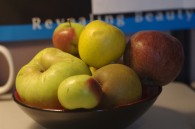 Because it might not be around much longer, Imraguen mullet bottarga—a kind of Mauretanian caviar—was one of the “endangered foods” from around the world that was featured at a unique feast in Newcastle, England, The World reports. The “Ten Things to Eat Before They Die” menu also included Saxon village berry preserves from Translyvania, Herat raisins from Afghanistan, golden lentils from France and Huehuetenango highland coffee from Guatemala. Globalization and mass marketing have increasingly homogenized the world’s menus, often suffocating the strange, delightful ingredients in traditional foods cultivated or made by a handful of producers.
The Newcastle dinner, said organizer Simon Preston, aimed to help struggling specialty food producers and illuminate the cultural richness of artisan foods.
Culinary explorers know food traditions can help unlock cultures. Seeking out delicacies such as Hungarian woolly-pig sausage, American heirloom apples and Santorini’s to-die-for fava beans can result in not only an unforgettable meal but also a valuable story.
The Imraguen, for instance, are nomadic fisherfolk who follow the schools of red mullet and umbrine along the Banc d’Arguin, a national park on the northern coast of Mauretania. Since they use motorless boats, they are the only people allowed to fish there. They catch the fish using handmade nets and dolphins as guides—a practice virtually unchanged for hundreds of years. The Imraguen women then salt, rinse and press the mullet roe between two boards to make the traditional bottarga, which is now being imported to foodie havens such as Italy.
That’s a story at least as interesting as the meal itself. Bon appétit.
Related on World Hum:
* Sardines, Sushi and the Healthiest Diets on Earth
* Mongolian Hot Pot: ‘The Next Sushi’?
Photo of heirloom apples by zappowbang, via Flickr (Creative Commons).
 Email to friend
 Twitter
 del.icio.us
 Digg
Digg Facebook
 Furl
Furl Ma.gnolia
 Mixx
Mixx Reddit
 StumbleUpon
 Yahoo! Buzz
yannis dimitriadis 05.28.08 | 7:06 AM ET
Most of the endangered foods described/ mentioned in the article, I can’t say I am familiar with, but one thing I know well is FAVA BEANS from the island of SANTORINI.
From what I know, Fava Beans could never be considered to be endangered!
You can find them anywhere on the island and the entire country of Greece and a plate of fava beans, served with dry onions, fresh olive oil and sqeezed lemon costs less than five (5) euros…!!!
It only makes me wonder if the rest of the ingredients of that endangerd foods menu were as endangered as FAVA BEANS…!
I smell a very lucrative fraud.
Andres Gabor 09.14.08 | 7:16 PM ET
In my opinion, one of the main reasons why different kind of foods are disappearing is that globalization requires that fresh food is able to resist the time it takes to transport it between one place to another. For example, I am writing from Chile, and here we have excellent table grapes, but they are disappearing because they can not resist the ocean freight, for example, between Chile and California (USA), therefore people that own land here, prefer not to cultivate tasty old chilean grapes, but new grape seeds that resist 1 month export process instead. Another example, to understand why commerce is making some food to disappear, is that it is harder to make profit from fresh food. For example, a supermarket will prefer to buy a tomato that will remain fresh for at least two weeks. Most people know that good and tasty tomatoes won’t last more than three days.
Rich Bitch 09.17.08 | 8:49 PM ET
You should have used some photos to tempt us and make us feel like we really have to try these things before they disappear. Interesting piece nonetheless.