
The ‘Cuisses de Grenouille’ on that French Guy’s Plate Might be From Indonesia
Travel Blog • Joanna Kakissis • 05.02.08 | 11:29 AM ET
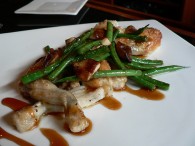 Okay, not only the French eat frog legs. Europeans have apparently been eating them since the Stone Age, and Michiganders like to deep-fry ‘em in beer batter. But the French, sticklers for home-grown cuisine, are likely eating the legs of frogs that have been shipped in from as far away as Indonesia, reports NPR. French laws limit the frog harvest in France, which is why the country turns to imports. A lucky few frog hunters can occasionally sauté the fat little frogs of Burgundy in a parsley and garlic purée.
Not that diners are complaining about the foreign amphibian meat. Demand has always been strong, much to the chagrin of animal-rights activists. Lately, some of the country’s top eateries are also experimenting with the dish in creative ways: For instance, the riotous La Cape bistro in Bordeaux batters its frog legs in tempura and serves them with a shot glass layered with garlic-parsley gelee and a garlic-foam-filled potato cake.
Sounds fancy. Could it be what the Swedish Chef had in mind?
Photo by Stu Spivack via Flickr (Creative Commons).
 Email to friend
 Twitter
 del.icio.us
 Digg
Digg Facebook
 Furl
Furl Ma.gnolia
 Mixx
Mixx Reddit
 StumbleUpon
 Yahoo! Buzz
Marilyn Terrell 05.02.08 | 4:39 PM ET
So much for locavores!