
Joel Henry: Dean of “Experimental Travel”
Travel Interviews: A new book from Lonely Planet preaches the gospel of unconventional travel. What's it all about? Frank Bures asks its author.
07.14.05 | 3:55 PM ET
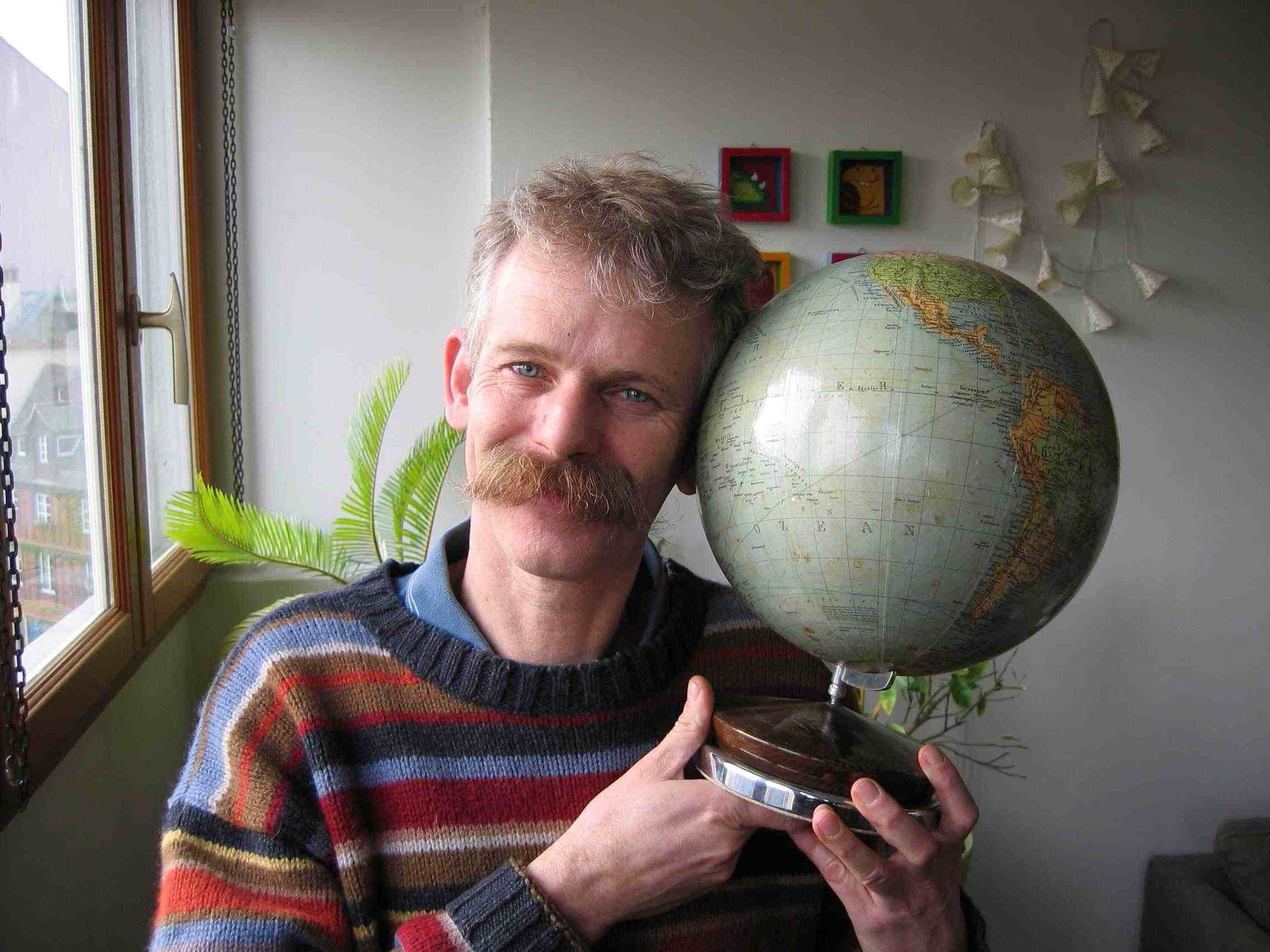 Europeans have a lot of vacation time on their hands. So much, in fact, that they’ve had time to come up with a whole new way to travel. It’s called “Experimental Travel,” a blend of science, art and fun, and it’s led by Joel Henry, a French journalist who helped invent and codify the new school. He even founded an organization, Latourex, which bills itself as “a laboratory of experimental tourism.” Henry claims a loose heritage with the surrealists, Dadaists and other mid-1900s artists who imposed arbitrary rules on their mediums to produce unexpected and exciting results.
In the new Lonely Planet Guide to Experimental Travel
World Hum: For the uninitiated, can you explain briefly what Experimental Travel means to you?
It’s a new way to travel based on scientific or pseudo scientific rules. Traveling under such constraints turns travel into a kind of game. So experimental travel is something between a game and travel.
| JOEL HENRY’S BOOK PICKS Three Men in a Boat by Jerome K. Jerome. “It’s a bit old fashioned but it remains, more than a century later, an invitation to go rowing along the Thames. It seems that some of the pubs along the river that enchanted the mischievous author still exist!” The Great Railway Bazaar by Paul Theroux. “Theroux takes us on a gripping trip on the most fabulous trains of Europe and Asia. Gradually landscapes and travelers pass and we feel delightfully disoriented.” La roue et le stylo by Catherine Bertho Lavenir (Editions Odile Jacob). “I’m afraid it’s only available in French. It’s an essay about ‘how we became tourists’ but it is also a fascinating journey through travel literature.” |
What is the basic point of traveling experimentally?
If considering that experimental travel is basically a game, one place is as worthy as any other.
How is this different from non-experimental travel?
The first consequence is that it renders null and void the criteria by which we habitually choose our holiday destinations: sun-seeking, white sandy beaches, bucolic landscapes or the cultural pull of historic sites.
The Latourex idea was born in June 1990 in Strasbourg in the course of a lunch with two friends on board a barge-cum-restaurant with the fateful name of the “Why Not?” We were talking about the approaching summer holidays and joking about the role of the tourist we were soon going to have to adopt, willing victims of the tourism industry’s conveyor belt. Devotees of games that we were, we began to imagine variations on the classical themes typically thrown up by tour operators. Between the fruit platter and the cheese platter we began to sketch out what would become Latourex’s founding experiment. It consisted of inverting the idea of the guided tour group by inviting whoever wished to come along on a visit to a foreign town to be held on the same weekend, with the twist that each person would begin the visit under their own steam. We chose Zurich, in Switzerland, where none of us had been.
Can you tell me about a particularly meaningful experimental trip you’ve taken, something that left you changed?
The “cecitourism,” which consists of traveling blindfolded, guided by someone you trust. I visited Luxembourg this way, guided by my wife Maïa during 24 hours. I was blind when I got into the city and blind when I left it. So the only things I know of it are its noises, smells and what Maïa described to me. But incredibly I keep a very clear and precise look of it. A look I built in my mind. Maybe it’s totally wrong, I haven’t checked yet. I wonder if I will not be disappointed, if the real Luxembourg is not as nice as what I imagined.
What kind of feedback have you gotten from people who have tried this?
I think only a few people tested this one. They enjoyed traveling through their imagination but felt it was very difficult. When you’re blindfolded, everything—walking, eating, drinking, bathing, etc.—is very hard.
Does it take a certain type of person to appreciate Experimental Travel?
Persons who like to play and who are ready to play where games are generally absent, such as in travel.
Do you take normal vacations? And how often to do you travel experimentally?
Of course I take normal vacations. The point is that Experimental Tourism hasn’t been designed to criticize normal traditional tourism or give lessons about a so-called good way to travel. It’s an invitation to test something else. Sometimes in the frame of these normal vacations I also practice experimental tourism for a couple of hours or days. But more generally when I decide to travel experimentally, three or four times a year, I devote a full weekend or even a week to it.
Is there a point where Experimental Travels devolve into stunts?
 Not as long as it’s really practiced for pleasure and not for showing off.
In the U.S., many people have only two weeks of vacation a year. How would you convince them to spend those weeks experimentally?
You don’t need to devote a long time to experimental tourism, nor to go very far. A weekend in your own city or in its outskirts can be quite enough for most the experiments described in the Lonely Planet guide.
Any thoughts of opening an Experimental Travel Agency?
No. I’m not interested at all to make money with it and there’s absolutely no need to organize anything through any kind of agencies.
 Email to friend
 Twitter
 del.icio.us
 Digg
Digg Facebook
 Furl
Furl Ma.gnolia
 Mixx
Mixx Reddit
 StumbleUpon
 Yahoo! Buzz