
The Truth About Food Smuggling
Travel Blog • Eva Holland • 06.24.08 | 10:55 AM ET
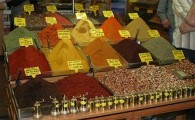 We’ve all done it: gotten hooked on a particular delicacy while traveling, and tried to sneak a morsel or two home in our luggage. For me, it was energy drinks from Malaysia, mango candies from India, and once, an entire carry-on backpack full of bottled ales, mulled wine, Jaffa cakes and mince pies from England, just before the holidays. But are the edible souvenirs that most travelers stash away really the contraband that sniffer dogs in airports are after? The Globe and Mail’s Judy Stoffman says no.
While border guards are genuinely concerned about many meat and egg products, Stoffman writes, most amateur food smugglers, at least in Canada, are being “about as daring as a teenager smoking an oregano ‘joint.’” The average tourist’s collection of jams, spices and oils is apparently perfectly kosher. Some of the genuine contraband uncovered, though, is far from average—raw camel meat, anyone?
Photo by exfordy via Flickr (Creative Commons)
 Email to friend
 Twitter
 del.icio.us
 Digg
Digg Facebook
 Furl
Furl Ma.gnolia
 Mixx
Mixx Reddit
 StumbleUpon
 Yahoo! Buzz
Joyce 06.24.08 | 2:59 PM ET
People are probably more hygienically unsafe (carrying more germs) than most of the food brought in. But don’t be too hard on our government agencies. The people of Canada are constantly blaming the government for everything that goes wrong or could go wrong and wondering why they haven’t regulated whatever it is at the time. We are over regulated now because the people of Canada want it that way - that is until the regulation crosses “me” in some way. Then the regulation is too restrictive.
Jack from eyeflare.com 06.25.08 | 12:52 PM ET
You should still look out when buying spices though. Many countries, the U.S. included, ban spices and herbs that are legal elsewhere.
Also, you can get caught in transit, such as if you’re carrying poppy seeds through Dubai. There, it’s classified as a narcotic with a minimum 4 year sentence. Ridiculous, yes, but true.
So, find out what the rules are first, then shop to your heart’s content!