
Rory Stewart on Afghanistan: ‘The Problem is That We Act on the Basis of Our Own Lies’
Travel Blog • Michael Yessis • 03.05.07 | 7:36 AM ET
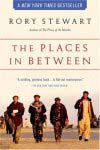 Rory Stewart, whose book about walking across Afghanistan, The Places in Between, was hailed as one of the best travel books of 2006 by the New York Times and Entertainment Weekly, began a stint as a guest columnist for the Times this weekend. His first column, which, unfortunately, resides in the TimesSelect pay-only section, addresses what he sees as the dangers of the international community’s rhetoric about Afghanistan. “Afghans, like Americans, do not want to be abducted and tortured. They want a say in who governs them, and they want to feed their families,” he writes, “But reducing their needs to broad concepts like ‘human rights,’ ‘democracy’ and ‘development’ is unhelpful.”
Stewart continues:
For many Afghans, sharia law is central. Others welcome freedom from torture, but not free media or freedom of religion; majority rule, but not minority rights; full employment, but not free-market reforms. “Warlords” retain considerable power. Millions believe that alcohol should be forbidden and apostates killed, that women should be allowed in public only in burqas. Many Pusthu clearly prefer the Taliban to foreign troops.
Yet, senior officials with long experience with Afghanistan often deny this reality. They insist that Taliban fighters have next to no local support and are purely Pakistani agents. The U.N. argues that “warlords” have little power and that the tribal areas can rapidly be brought under central control. The British defense secretary predicted last summer that British troops in Helmand Province could return “without a bullet fired.” Afghan cabinet ministers insist that narcotics growth and corruption can be ended and the economy can wean itself off foreign aid in five years. None of this is true. And most of them half-know it.
Stewart concludes that speaking the truth about the limits of Western power is the first step toward helping Afghanistan “become more humane, prosperous and stable.”
Related on World Hum:
* Three Travel Books Crack Entertainment Weekly’s Nonfiction Books of the Year List
* New York Times Selects ‘The Places in Between’ as Top-10 Book of 2006
* Rory Stewart Quit British Foreign Office, Walked Across Asia
* Rory Stewart’s “The Prince of the Marshes”: Excerpts on Slate
 Email to friend
 Twitter
 del.icio.us
 Digg
Digg Facebook
 Furl
Furl Ma.gnolia
 Mixx
Mixx Reddit
 StumbleUpon
 Yahoo! Buzz
Michael Yessis is the cofounder and coeditor-in-chief of World Hum.

Diane Foley 03.10.07 | 3:05 AM ET
I was hoping you would have an e-mail address for Rory Stewart. I am writing a book with Afghanistan content. I have just watched the most amazing interview on CBC with Rory Stewart. I am so impressed and gob smacked by his amazing knowledge, by his moral intregity. If you could forward a contact address I would be so appreciative.